 by Conach Marketing Group
Designing a Post-Storm Roof Action Plan
Proactively managing your roof system often means preparing for worst-case scenarios. Storms, heavy rain, and strong winds can wreak havoc on roofing materials, though damage can go unnoticed until maintenance is critical. Alternatively, building owners can invest in comprehensive roof asset management services to develop an action plan to help roofs weather any storm.
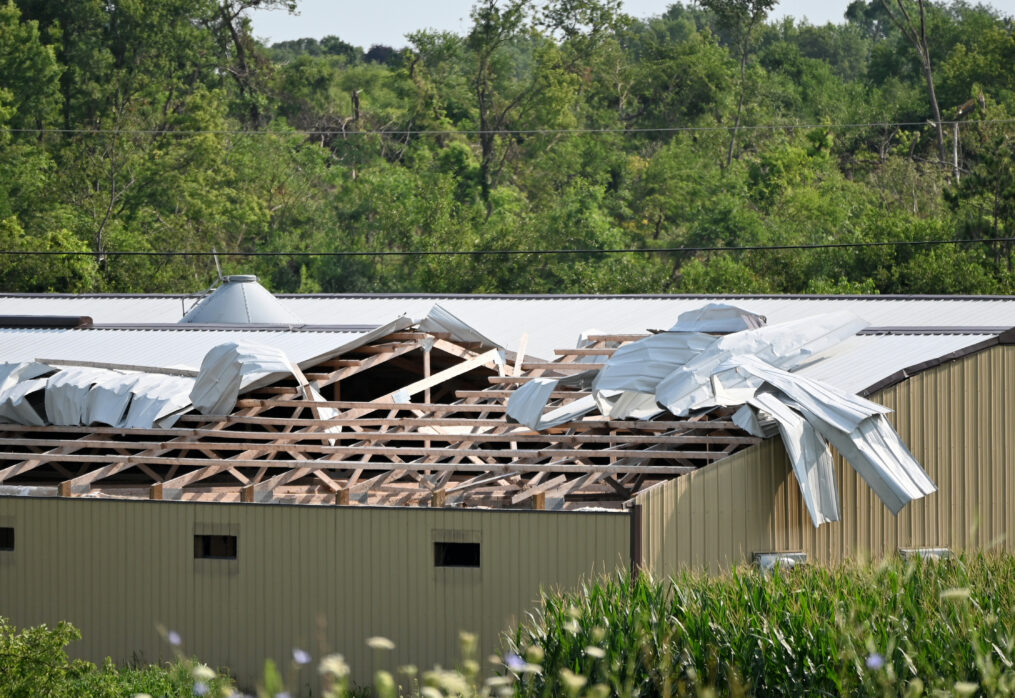
Extreme weather conditions, such as tornadoes, hurricanes, or torrential rainfall, may not show visible signs of damage right away. For example, fallen debris can compromise the structural integrity of a roofing system, severe winds can break otherwise watertight seals, and water can seep in through exposed cracks or gaps. These seemingly minor issues can escalate over time and lead to costly repairs, business downtime, and, in some cases, total roof replacements.
Assessment
The first step in any building owner’s post-storm action plan should be conducting a thorough physical inspection for any visible damage. This ground-level assessment can often help identify debris or visible tears in the roofing membrane. However, due to the unpredictability of roof structural integrity after severe weather, on-roof inspections should be conducted only by qualified roofing professionals.
A roofing consultant, with the help of infrared drone technology, can identify underlying roofing issues and hidden damage caused by extreme weather that may otherwise be invisible to the naked eye. Punctures, displaced fasteners, and other potential areas of concern for water damage can then be documented and categorized by severity.
Documentation
Having roof coordinates and infrared imaging evidence helps streamline repair timelines. Having this documentation in a centralized roof asset management program, such as RoofSuite®, additionally makes it easier to collaborate with roof consultants and contractors to arrange repairs. Furthermore, these records can be critical for filing insurance claims or validating warranty terms.
Repair Plan
After all assessments have been completed and any areas of concern have been properly documented, your next step is to create a plan of action to tackle the repairs. Beginning with the most severe damages – those that impact your building’s structural integrity or pose a significant safety risk to occupants – you can create a timeline for which repairs need to be completed and in what order. More major repairs may require business or production downtime, advance planning, and careful budgeting, so this forecasting helps businesses to plan operations and budget accordingly.
Building Technology Associates prides itself on over a century of roofing experience, providing building owners with resources for protecting their assets and prolonging their roof’s service life. Investing in roof asset management services through Building Technology Associates can help you maintain the health of your roofing system, protect your assets, and proactively plan for long-term expenses.